

The Thrill of Risk in Gambling
The psychology of gambling is deeply rooted in the thrill and excitement that comes with taking risks. Gamblers are often drawn to the uncertainty of whether they will win or lose, which can trigger an adrenaline rush. This sensation can create a compelling desire to return to the casino, where the highs of winning can outweigh the lows of losing. Each bet placed serves as a new opportunity for success, reinforcing the behavior of coming back for more. Many gamblers also seek information online, such as https://www.governancevote.ca/, to better understand their options.

Additionally, the perceived control over outcomes plays a significant role in attracting gamblers. Many believe that they have strategies or systems that can increase their chances of winning, leading to a feeling of empowerment. This illusion of control can be a potent motivator, contributing to the cycle of continuous participation in gambling activities.
The Role of Rewards and Incentives
Casino deals often incorporate various rewards and incentives designed to entice gamblers. These can range from welcome bonuses for new players to loyalty programs for regular visitors. The strategic use of these promotions not only encourages new sign-ups but also fosters a sense of belonging among returning players. Gamblers often associate these deals with better odds or increased chances of winning, making them more likely to return to the casino.
Moreover, these rewards tap into the concept of variable reinforcement, where unpredictable rewards have a stronger effect on behavior than consistent ones. This means that when gamblers receive bonuses or perks irregularly, it can enhance their excitement and motivation to keep playing, which psychologically binds them to the casino environment.
The Social Aspect of Gambling
Gambling is not just about numbers and luck; it is also a highly social activity. Many gamblers enjoy the camaraderie that comes from being part of a larger community, whether in a physical casino or online. This social interaction can create a sense of belonging and make the experience more enjoyable, encouraging individuals to return. Chatting with fellow gamblers or celebrating wins together amplifies the overall experience.
Additionally, casinos often facilitate social gatherings through events, tournaments, and communal gaming experiences. These social elements can reinforce a gambler’s connection to the venue, as they associate their time there with both enjoyment and relationship-building. This shared experience can be a compelling reason for many to return time and again.
The Influence of Environment on Gambling Behavior
The physical design of a casino plays a crucial role in keeping gamblers engaged. Casinos are typically designed to create an immersive experience, using lighting, sound, and decor to stimulate excitement. The layout encourages exploration, offering countless options for games and entertainment that can distract from the passage of time and any losses incurred.
Environmental cues, such as the sounds of slot machines or the smell of complimentary drinks, can evoke emotions that enhance the gambling experience. This carefully curated atmosphere is intended to keep players inside longer, creating an environment where they feel compelled to continue playing. It ultimately adds to the allure, prompting repeat visits from gamblers who crave that particular emotional stimulation.
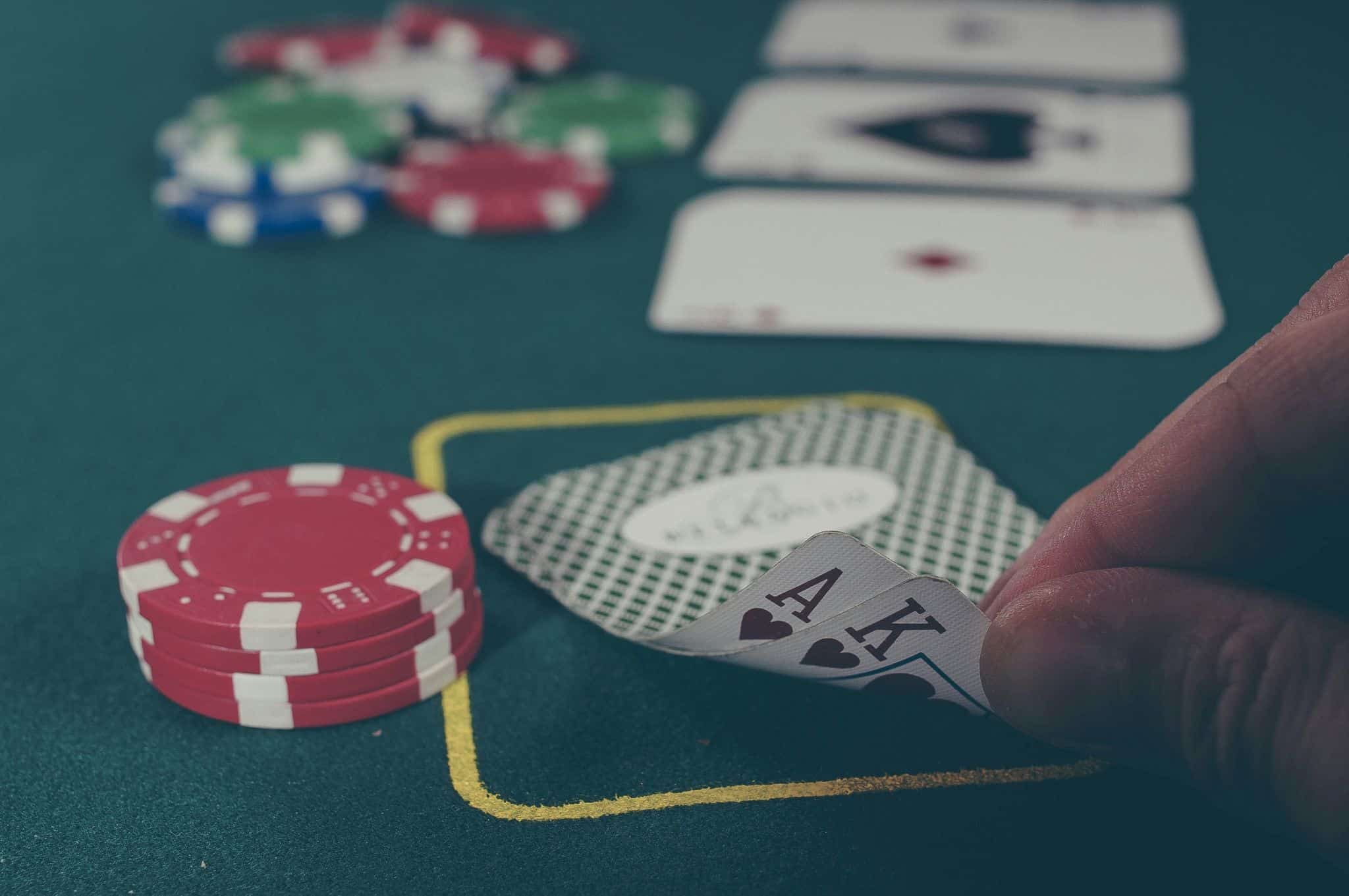
Conclusion: The Cyclical Nature of Gambling Attraction
In conclusion, the psychology behind what keeps gamblers coming back to casinos is multifaceted. The thrill of risk, coupled with the allure of rewards, social interaction, and an engaging environment, creates a compelling cycle that continuously draws individuals back. Understanding these psychological triggers can help both gamblers and casino operators navigate the complex world of gambling.
As individuals engage with these factors, they may find themselves enveloped in a cycle that promotes loyalty and repeat visits, profoundly shaping the gambling landscape. Recognizing this interplay between psychology and casino experiences can offer valuable insights into how the industry thrives.